

Workplace Wellbeing Skills for Real Work and Real Life
September 11th 2026 | Posted by Jo Thompson
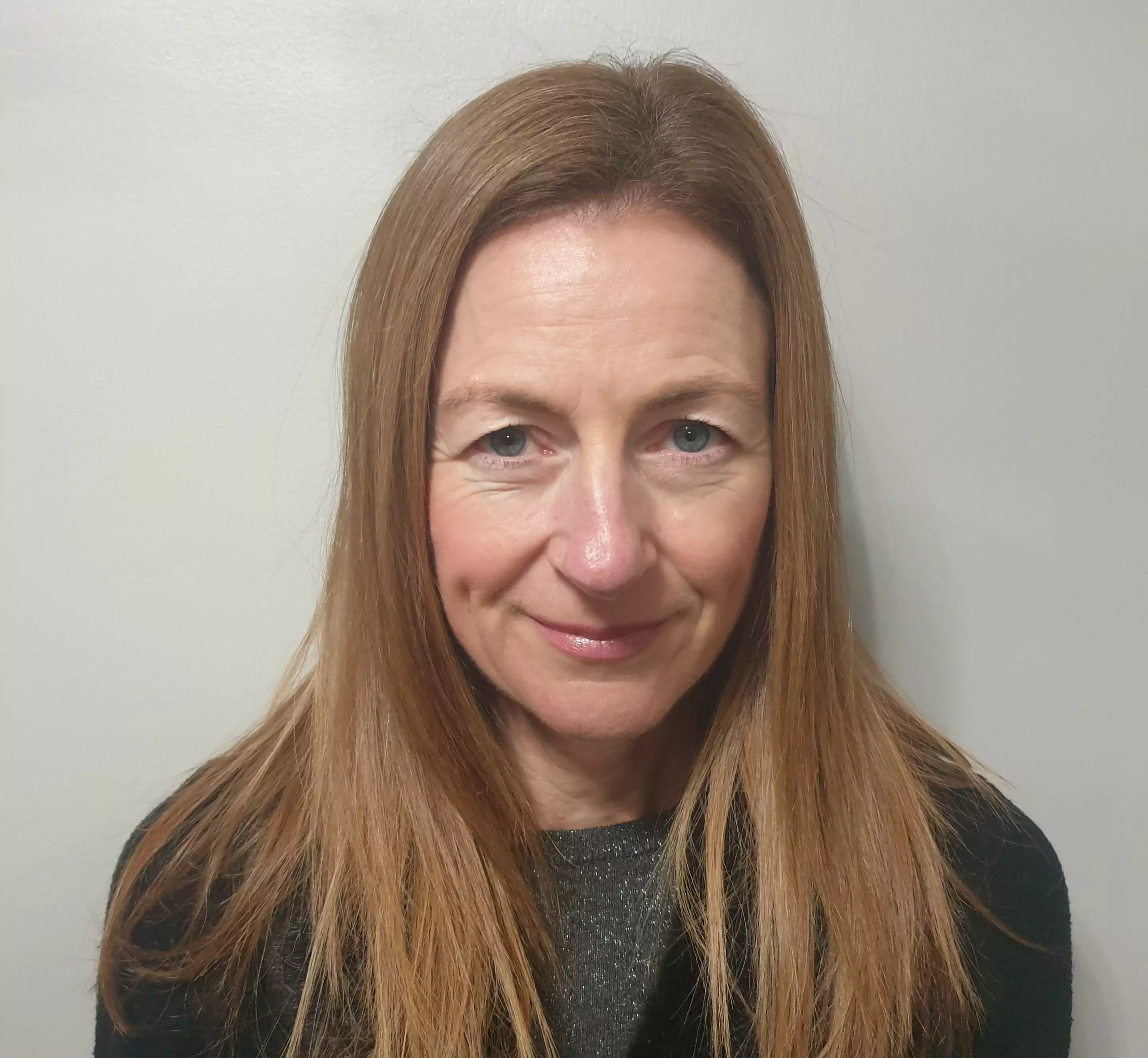
Workplace wellbeing rarely comes first in a profession built to put other peoples’ needs before its own. That tension sat at the heart of HR Recruit’s Replenish, Protect, Grow boardroom, hosted by wellbeing specialist Marion Hewitt, founder of Protea Solutions. The scale of the problem is backed by CIPD data, which shows a quarter of workers say their job is damaging their mental health, with workload cited as the single biggest cause.
“This isn’t about creating time to do more. It’s about working out what will work well in your world.”
The Replenish Protect Grow Model
The model runs on three interlocking stages rather than a straight line, which matters given that sickness absence in the UK is at its highest level in around 15 years and almost a quarter of people report feeling regularly exhausted before the day is even done. Replenish covers restoring depleted resources, whether that is physical energy, attention or emotional reserves.
Protect means recognising what drains those resources and setting boundaries before the drain becomes constant, drawing on the well-established job demands resources model. Grow only becomes realistic once the first two stages are in place and it leans on the PERMA model of positive psychology, encouraging people to use their strengths and build genuine purpose rather than simply taking on more.
Workplace Wellbeing Actions to Try
- Notice one energy drain and remove it, whether that is back-to-back meetings or constant notifications.
- Protect one boundary consistently. Decide when you stop being reachable and hold that line daily.
- Build in a five-minute buffer between meetings so your brain gets a proper chance to reset.
- Use a strengths-based lens on your next task, choosing work that plays to what you do well.
- Commit to one specific, realistic action instead of a long list, since vague promises rarely survive a busy week.
Marion returned to this thinking when she turned to growth:
“Sustainable growth is about using your strengths, learning and self-compassion, rather than constantly trying to do more.”
Small Actions, Real Change
The Q&A brought the framework back down to earth. One attendee shared a habit of restarting a gratitude journal, while others asked how to hold boundaries around caring responsibilities and life outside work. Marion was clear that recognising limits matters more than pretending they don’t exist and that self-compassion is a practical skill rather than a soft add on, something she has researched directly among HR professionals. Workplace wellbeing only genuinely shifts when the people delivering support start looking after their own, not only the ones receiving it.
In Summary
This session gave HR professionals a workable route through some of the most familiar pressures in the profession, grounded in genuine research rather than generic advice. Workplace wellbeing improves when small, realistic actions replace long lists of good intentions and Marion Hewitt’s session offered a clear starting point for anyone ready to put their own oxygen mask on first.