

Practical Steps for Managing a Neurodiverse Workforce
September 23rd 2026 | Posted by Jo Thompson
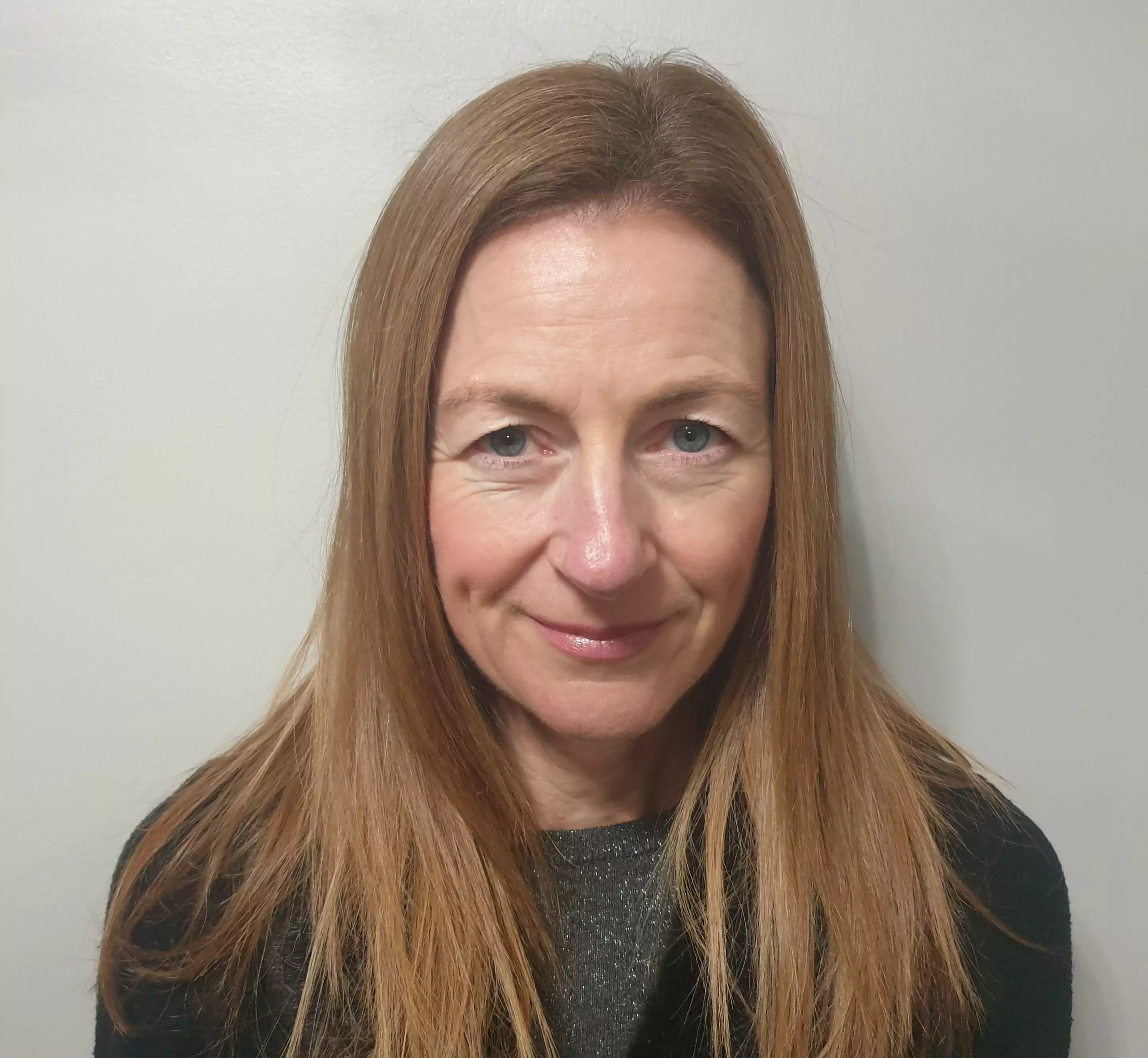
Managing a neurodiverse workforce takes more than good intentions and a diversity policy. HR Recruit’s latest virtual boardroom explored what that looks like in practice with Helen Bailey. She is the Lead Consultant at Coruscate Training and used the session to show what genuinely helps neurodivergent employees thrive at work.
“A single label doesn’t tell you what a person needs, but the conversation does.”
Understanding What Neurodiversity Means at Work
Helen opened by challenging a common assumption in the room, which was neurodiversity works best as a starting point for dialogue rather than a fixed checklist to work through. She described neurodiversity as the natural variation in how human brains process information.
Neurodivergent, by contrast, describes individuals whose development and functioning differ from what society considers typical. Helen was clear that a diagnosis should never be the only route to support. Thriving at work does not always require a label first.
Recognising Different Processing Styles
The session moved through five common areas of difference, without treating any as fixed rules for every individual.
- Autism, often linked to sensory sensitivity and social communication differences
- Dyslexia, affecting literacy, language and rapid naming
- Dyspraxia, affecting muscle coordination and spatial awareness
- ADHD, often involving inattention, hyperactivity and impulsivity
- Dyscalculia, affecting arithmetic, sizing and ordering
Helen stressed that these patterns look different for every person. One autism training session will not prepare a manager for every neurodivergent employee they meet.
What the Research Reveals About Adjustments
Helen shared workplace data that surprised much of the room, because so few employees get support from day one. Only 10% said adjustments were in place before their first day, while 16% waited between four and six weeks. The rest only saw movement once a problem had already surfaced, often after being raised more than once.
Helen argued that gap shows why early conversations matter so much, and why waiting for someone to disclose or struggle first puts the burden entirely on the employee.
Building Inclusive Recruitment and Onboarding
Explaining adjustment options during recruitment makes candidates feel welcome from the outset, and inclusive language in job adverts and a single named contact do the same. Helen introduced the idea of a comfort review rather than a formal neurodiversity questionnaire.
Asking someone what will help them do their best work invites an honest answer without singling anyone out. Onboarding deserves the same attention. Helen suggested making unwritten rules obvious from day one, covering everything from lunch timing to how meetings run.
Supporting Managers with Confidence
Many managers avoid these conversations for fear of saying the wrong thing. Helen linked this directly to a wider shift from equal treatment towards genuine equity.
“That’s how we manage a neurodiverse workforce to thrive,” she said.
Helen’s closing point was that conversation, not classification, builds trust. Managers who ask open questions consistently learn more than any policy document could tell them.
In Summary
Helen Bailey’s HR Recruit boardroom made one thing clear. Managing a neurodiverse workforce is not about adding another process to an already full plan, it is about small, consistent adjustments across recruitment, onboarding and everyday management, guided by honest conversation rather than labels. Organisations that start there build teams where every employee, neurodivergent or not, can do their best work.